“Naturally fermented”, “filtered” and “pasteurised” are not three opposing quality grades. Fermentation creates the product; filtration removes suspended material; pasteurisation helps reduce microbial activity and support stability.
They are not opposing categories
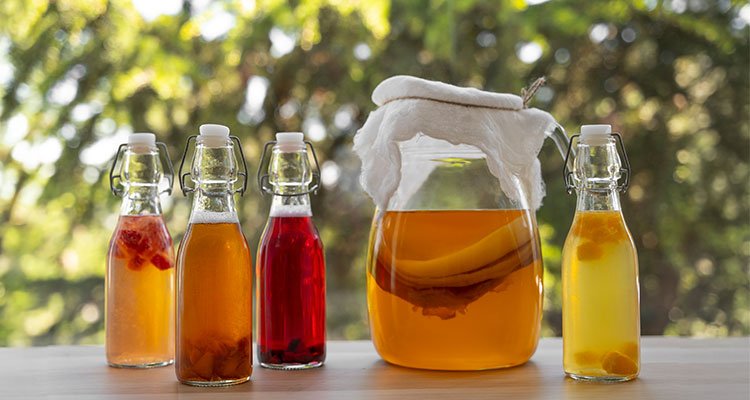
Fermentation is the stage that creates vinegar. Filtration physically separates suspended material. Pasteurisation is a controlled heat treatment used to reduce microbial activity and support stability. A naturally fermented vinegar can therefore be filtered and pasteurised after fermentation.
What does filtration do?
Its effect depends on the method. Coarse filtration may reduce larger fruit and yeast particles, while microfiltration can separate smaller suspended material and some microorganisms. The usual result is a clearer, more consistent product. It should not be claimed that no microorganisms remain unless the pore size and process have been validated.
What does pasteurisation do?
Pasteurisation uses a specified time and temperature to reduce viable microorganisms and help prevent uncontrolled activity in the bottle. It is not sterilisation; effectiveness depends on acidity, temperature, duration and filling system. Broad claims that pasteurised vinegar is not real or has no nutritional value are not scientific.
Are vinegar mother and sediment the same?
Vinegar mother is a cellulose-rich biofilm that acetic acid bacteria can form during surface fermentation. Not every deposit is mother: fruit particles, yeast residue, cellulose and other precipitates can form sediment. Sediment alone does not prove spoilage, superior quality, organic production or probiotic activity.
“Live” does not mean probiotic
Some unpasteurised and unfiltered vinegars may contain live microorganisms at consumption. Their presence does not automatically make the product probiotic. Scientific assessment requires an identified strain, an adequate viable amount and evidence of a defined benefit in humans; those conditions may still be insufficient for commercial use. “Probiotic” may be treated as a health claim in the destination market and may be used only in line with its authorised-claims regime. Do not call a vinegar probiotic unless identity, quantity and shelf-life viability are verified and the claim is legally permitted.
Which one should you choose?
The choice depends on use rather than a simple good-bad hierarchy. Filtered vinegar can look more consistent in clear dressings. Unfiltered vinegar may appear more rustic, while a pasteurised product may be more predictable from bottle to bottle. Flavour superiority cannot be inferred from one label word; raw material, fermentation, maturation and sensory testing all matter.
A controlled start in the kitchen
Total acidity and perceived sharpness vary by product, so adjust through gradual tasting. Home canning is different from culinary tasting: use only a research-tested recipe, vinegar labelled with at least 5% acetic acid and the unchanged proportion, processing time and temperature stated in that recipe.
| Use | First trial |
|---|---|
| Salad dressing for four | 3 tbsp EVOO + 1 tsp vinegar |
| One bowl of soup | ⅛–¼ tsp at serving |
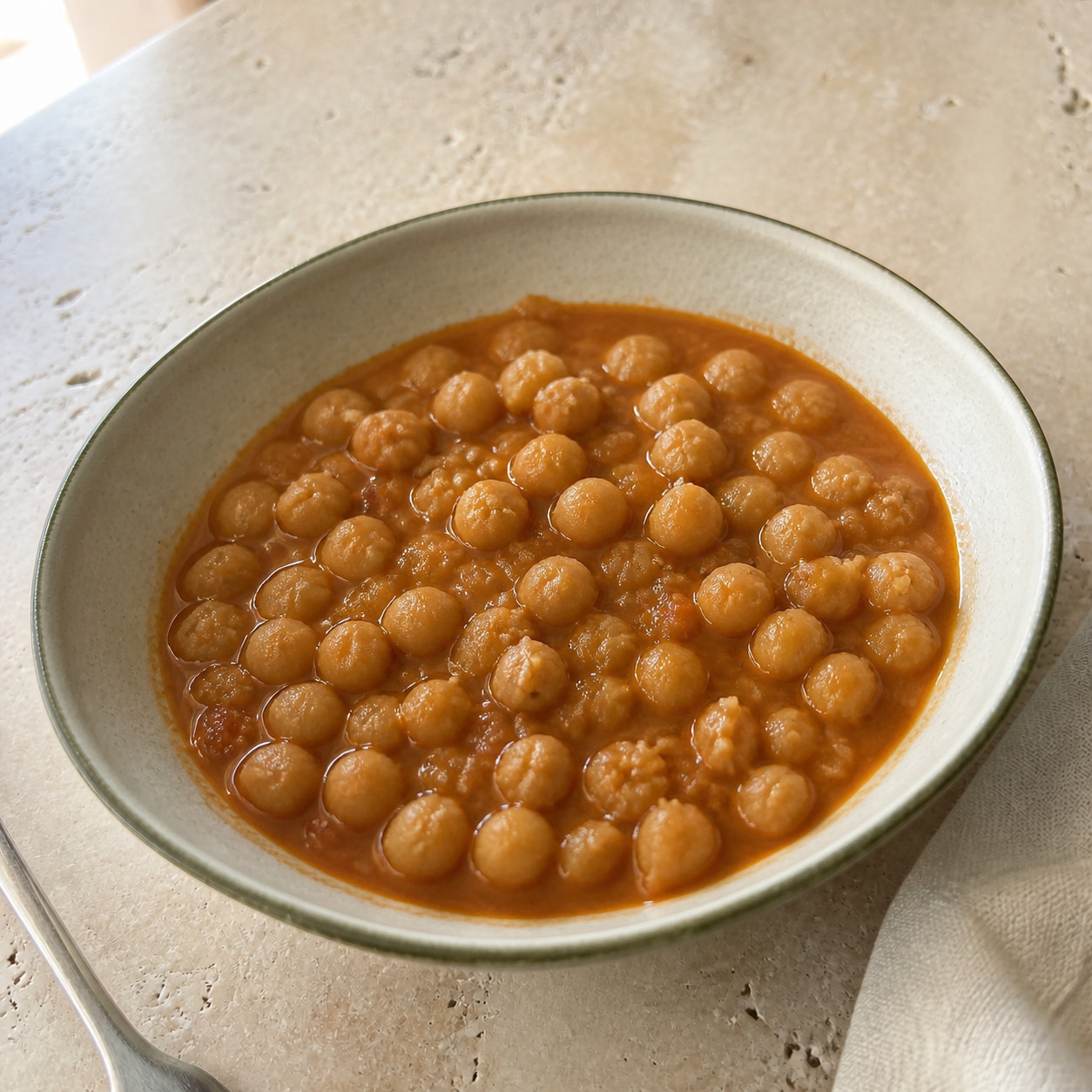
| Pulse dish for four | Begin with 1 tsp after cooking |
| 500 g potato salad | 3 tbsp oil + an initial 2 tsp vinegar |
| Home canning | Only a tested recipe and vinegar labelled with at least 5% acetic acid |
Practical checklist
- ●Separate fermentation from post-production treatments.
- ●Do not treat sediment as automatic proof of quality or spoilage.
- ●Do not use “live” as a synonym for probiotic.
- ●Check total acidity and storage instructions.
- ●Begin with a low culinary dose and taste.
Do not claim “contains live cultures”, probiotic status or a health outcome without product-specific verification and compliance with the destination market’s claims rules. Unfiltered or unpasteurised does not prove superior quality. For home canning, use only a tested recipe and vinegar labelled with at least 5% acetic acid; do not alter the vinegar proportion, processing time or temperature.
Sources and further reading
The article distinguishes general evidence from claims about a specific Olivamore batch.