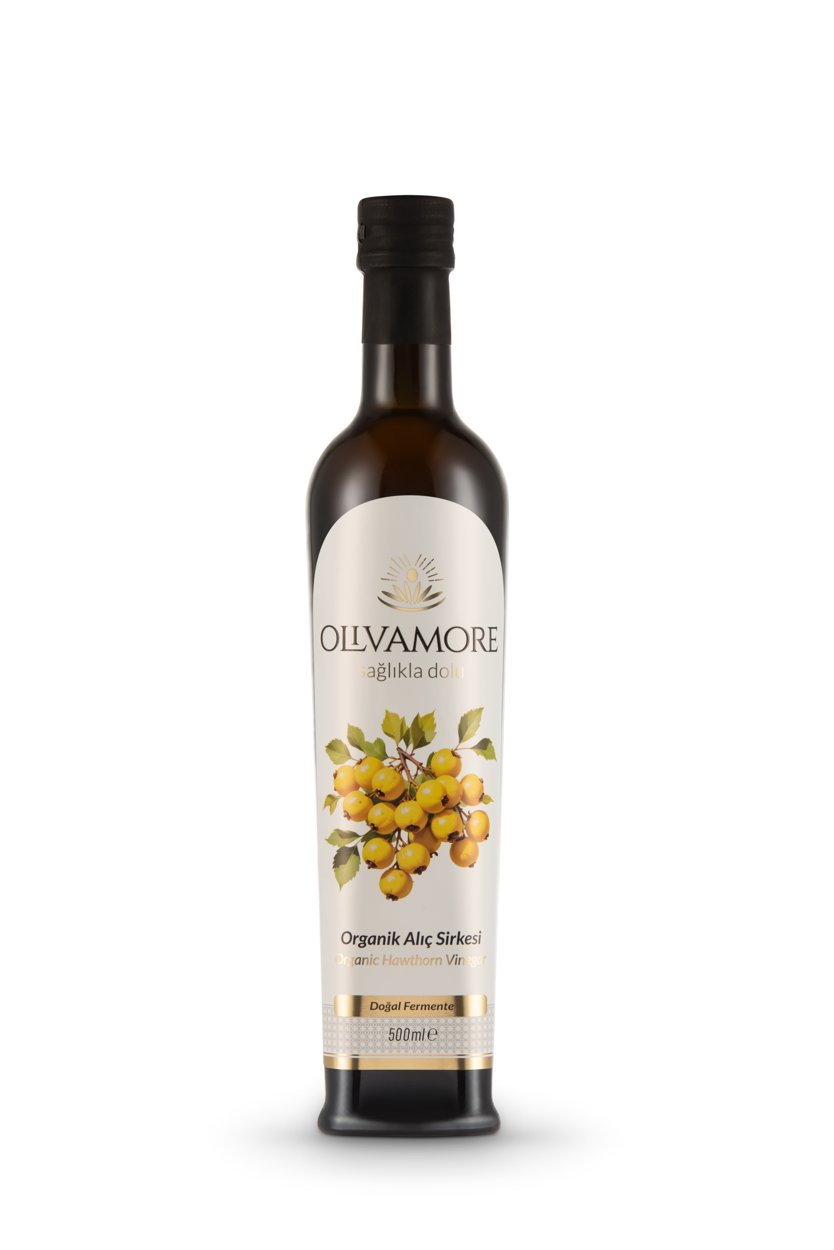
Hawthorn vinegar is created through a two-stage fermentation in which sugars from Crataegus fruit become alcohol and then acetic acid. Species, process and total acidity can vary, so flavour and culinary dose should be verified on the actual batch.
Hawthorn is not one fixed fruit
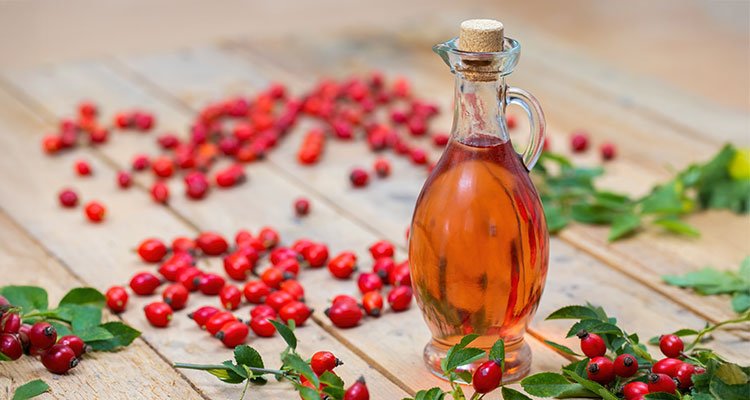
Hawthorn is the common name for fruits of trees and shrubs in the genus Crataegus, part of the rose family. The genus occurs naturally in Türkiye and includes many species. Species, region, ripeness and harvest conditions can influence colour, astringency and aroma. OLIVAMORE should name the exact species only after confirming it in the raw-material specification.
How does the fruit become vinegar?
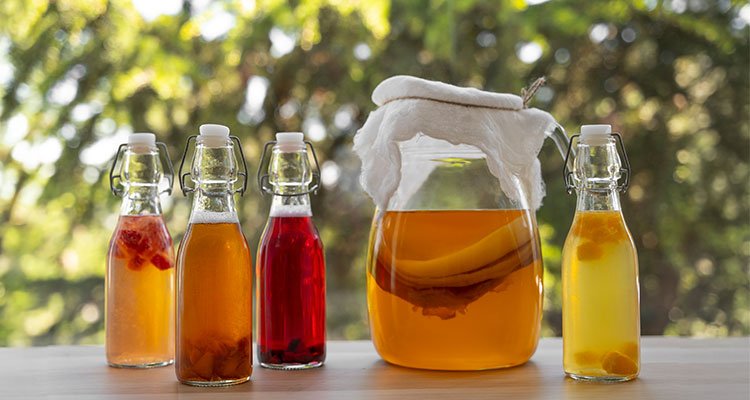
Yeasts first convert fruit sugars into ethanol. Acetic acid bacteria then convert that ethanol, in the presence of oxygen, into the acetic acid that provides vinegar’s defining sourness. Raw material, culture, temperature, oxygen and maturation all shape the finished flavour. A controlled starter culture is also a genuine fermentation method.
What does hawthorn vinegar taste like?
Acetic sourness is the first defining sensation. Fruity, lightly floral or astringent notes may vary with species and process. Results from one academic sample do not represent every commercial product. Descriptions such as “sharp”, “fruity” or “mellow” should follow sensory evaluation of the actual OLIVAMORE batch.
Which dishes can it suit?
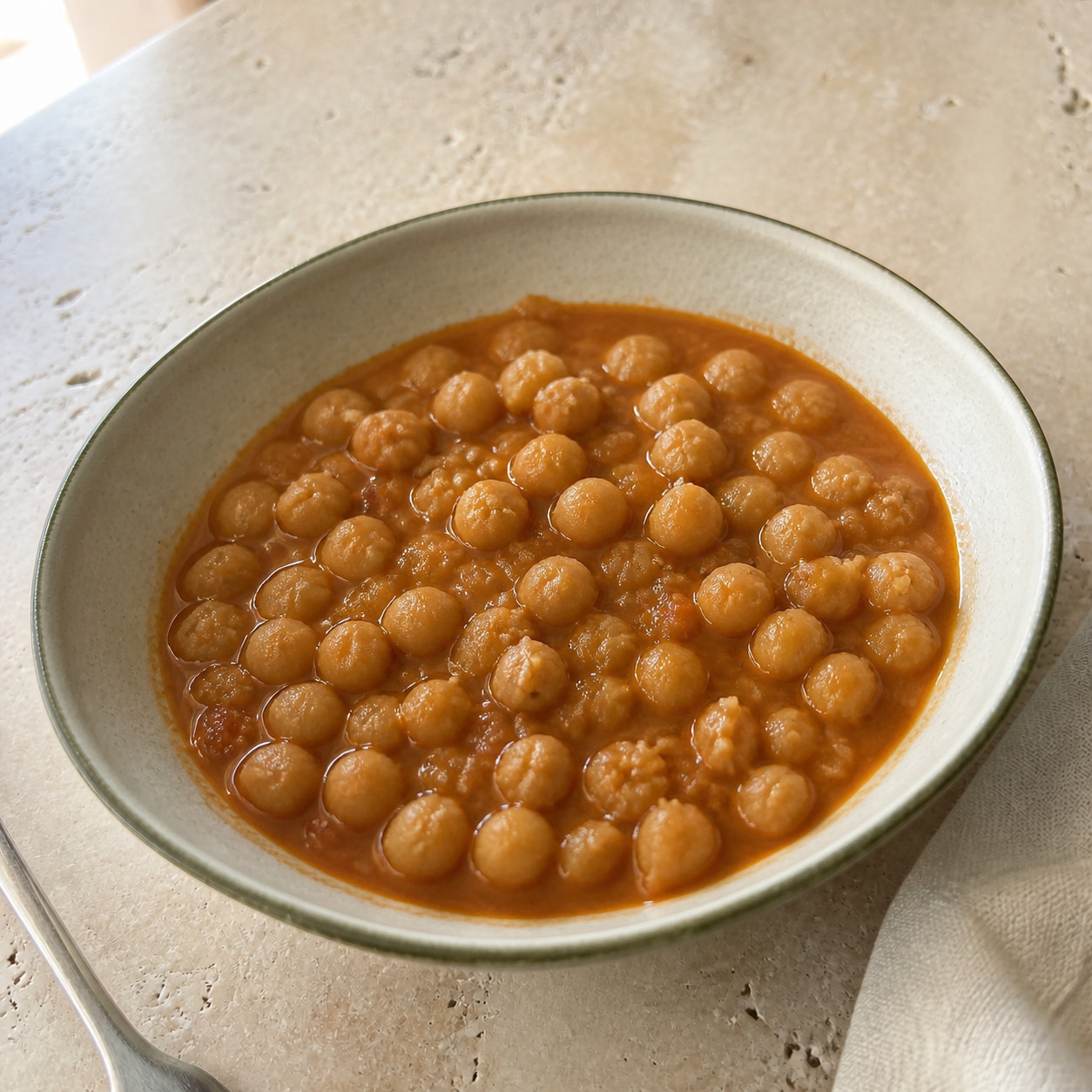
The most logical first trials for its lively acidity are earthy pulses, starchy vegetables and sweet-earthy roots. Warm green-lentil salad, potato salad, beetroot and walnut salad, roasted carrots and lentil soup finished with a few drops are high-potential culinary hypotheses; confirm them with the actual product.
Controlled starting doses
Total acidity and perceived sharpness may vary between batches. These amounts are starting points for kitchen trials, not universal formulas; taste before every increase.
| Use | First trial |
|---|---|
| Lentil salad for four | 3 tbsp oil + 1 tsp vinegar |
| 500 g warm potatoes | 3 tbsp oil + an initial 2 tsp vinegar |
| Beetroot and walnut salad for four | 2 tbsp oil + an initial 1 tsp vinegar |
| One tray of roasted root vegetables | After roasting, 2 tbsp oil + 1 tsp vinegar |
| One bowl of lentil soup | A few drops or ⅛–¼ tsp at serving |
Label, storage and safe use
Check the raw material, ingredients, total acidity, filtration or pasteurisation information, any sulphite declaration and storage instructions. For home canning, use only a research-tested recipe and vinegar labelled with at least 5% acetic acid; this is not the pH value. Do not alter the vinegar proportion, processing time or temperature, and do not substitute homemade, unknown-acidity or unspecified speciality vinegar for the vinegar in the validated recipe.
Practical checklist
- ●Verify the raw material and, where possible, the Crataegus species.
- ●Check total acidity and the batch sensory profile.
- ●Begin low and taste before each addition.
- ●Balance it with oil in salads, pulses and root vegetables.
- ●For home canning, use a tested recipe and vinegar labelled with at least 5% acetic acid.
Hawthorn vinegar should not be claimed to protect the heart, lower blood sugar, cause weight loss, detoxify or treat disease. Analytical values from an academic sample cannot be transferred to the OLIVAMORE product.
Sources and further reading
The article distinguishes general evidence from claims about a specific Olivamore batch.