Olive oil has an important place in culinary and cultural history, but edible oil, soap and cosmetics are not the same product. Heritage claims should be documented honestly, with cosmetic and lye safety treated separately.
Knowledge carried from grove to community
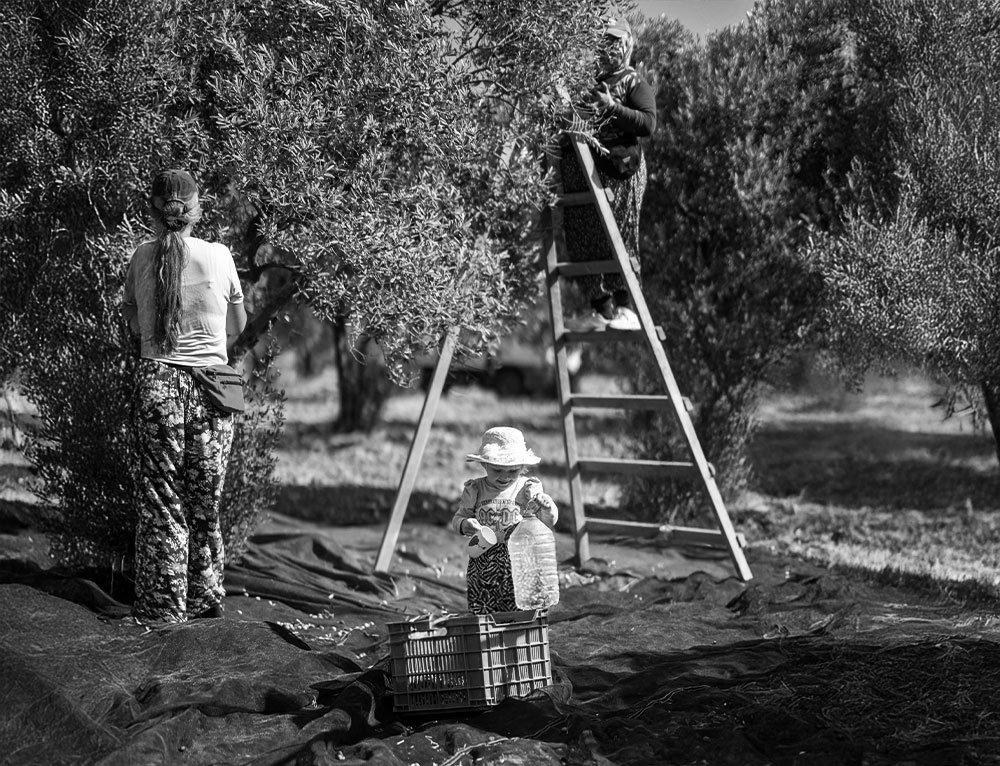
UNESCO’s entry for Türkiye documents grafting, pruning, harvesting, processing and shared harvest practices as parts of living cultural heritage. This knowledge is not only technical; it is transmitted through families, villages, seasons and collective work.
From fruit to table olives and oil
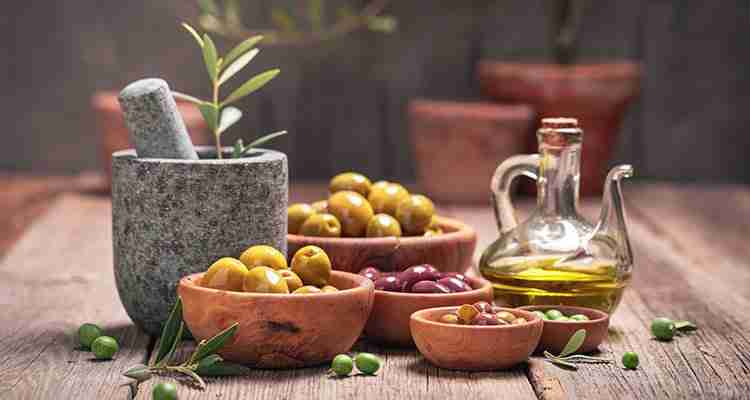
The same harvest can follow different paths: some olives are processed for the table, while others are transformed into oil through physical methods. In the kitchen, olive oil serves as a cooking, dressing and finishing ingredient. “Traditional” should be used only when the particular practice can genuinely be documented.
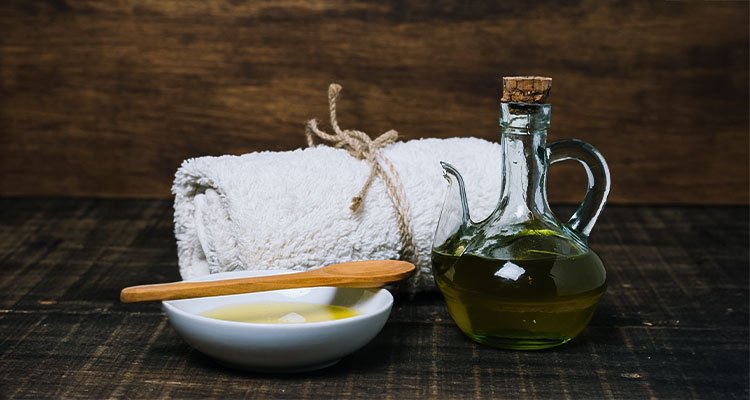
Soap is not bottled oil applied to skin
Olive oil may be one raw material used in soap, but saponification creates a formulation and product category different from edible olive oil. Keeping that distinction clear matters for both honest cultural storytelling and consumer safety.
A lye-based process requires expertise
Sodium hydroxide, used in traditional and modern soapmaking, is corrosive and can cause serious eye and skin burns. A brand blog should not publish a home lye-soap recipe with quantities and mixing instructions. The culture can be explained without supplying hazardous production directions.
Tradition does not support a cosmetic claim by itself
Applying edible olive oil directly to skin should not be presented as a treatment for eczema, acne or wounds. Soap presented for cleansing the skin is generally treated as a cosmetic, while products presented for household cleaning, disinfection or treatment may fall under different rules. Intended use and claims determine classification. Any product offered for sale must satisfy the relevant safety assessment, manufacturing, documentation, labelling and notification requirements in its destination market.
Telling the heritage story honestly
Strong brand storytelling uses real harvest photography, place and date information, permission for family accounts and, where possible, an archival source. Instead of broad claims such as “an unchanged formula for thousands of years”, it explains which practice is used, where, by whom and how it continues today.
Practical checklist
- ●Treat culinary oil as food and soap as a separately formulated product.
- ●Support a traditional claim with place, date and a source.
- ●Obtain permission for personal or family accounts.
- ●Do not publish a home lye recipe.
- ●Do not use cosmetic health or safety claims without a product dossier.
Edible olive oil should not be presented as treating eczema, acne, psoriasis or wounds. “Natural” and “traditional” are not evidence of product safety. Soap and cosmetics are subject to separate safety and notification rules in the destination market.
Sources and further reading
The article distinguishes general evidence from claims about a specific Olivamore batch.