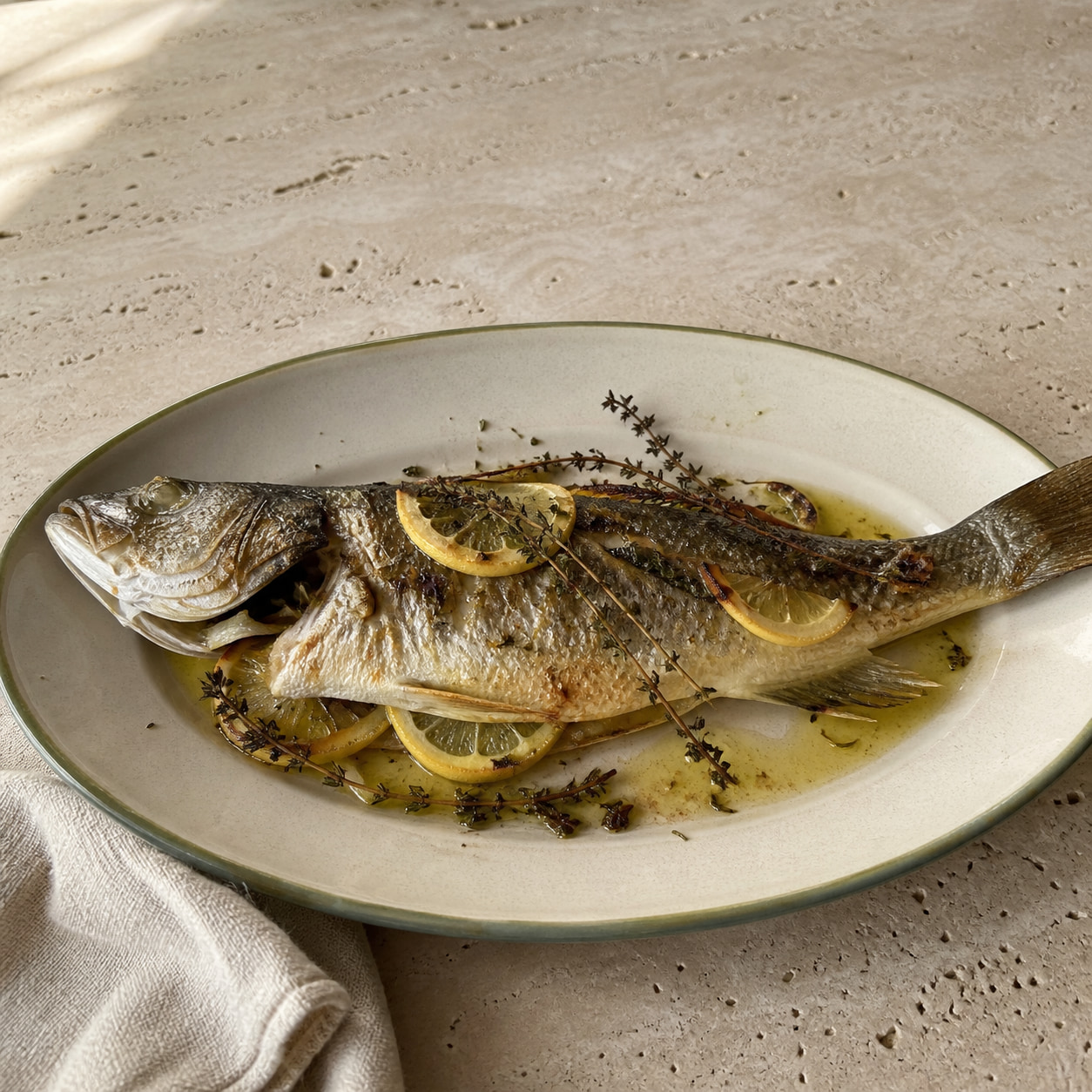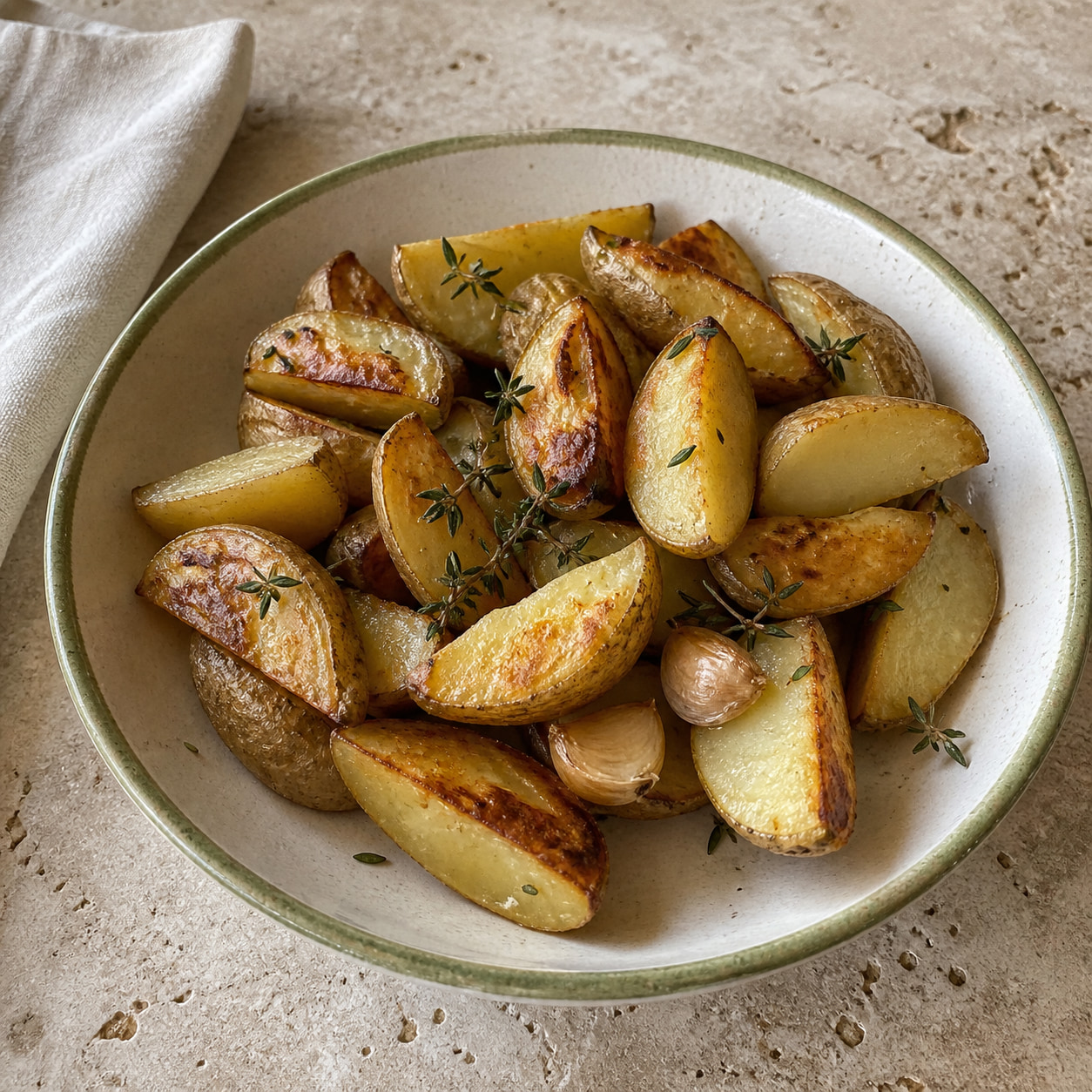
Extra virgin olive oil can be used for cooking at suitable domestic temperatures. Colour, throat pungency, low acidity or solidification in the refrigerator do not prove quality or purity on their own.
Myth 1: “You cannot cook with extra virgin”
Extra virgin olive oil can be used for sautéing, baking and other domestic applications at suitable temperatures. Its oleic-acid-rich composition and natural antioxidants contribute to heat stability. Some phenols and fresh aromas still decline as temperature and time increase, and the oil should not be allowed to smoke.
Myth 2: “Smoke point is the only measure”
Smoke point is a useful warning but cannot describe performance under heat by itself. Starting quality, fatty-acid composition, antioxidants, temperature, duration, exposed surface area and reuse all matter. Visible smoke at home is a practical signal to reduce the heat and, where necessary, replace the oil.
Myths 3 and 4: “You can taste acidity; greener is better”
Labelled acidity is not pH or sour taste but the laboratory-measured proportion of free fatty acids. Colour depends on cultivar, ripeness, pigments, processing and storage. Professional tasting uses coloured glasses to prevent visual bias—a useful reminder that green colour alone does not prove quality.
Myth 5: “More throat burn always means more polyphenols”
Some phenols are associated with bitterness and pungency, yet compound profile, individual sensitivity, the food matrix and storage all affect perception. Exact content requires suitable analysis of the same batch. Sensory intensity and personal preference are not the same thing either.
Myths 6 and 7: “The fridge proves purity; ageing improves oil”
Genuine olive oils react differently to cold according to cultivar and composition, while blends with other oils may also partly solidify. The fridge test cannot reveal adulteration. Olive oil does not age like wine: fresh aromas decline and oxidation progresses. Becoming milder may signal lost intensity rather than improved quality.
Practical checklist
- ●Do not let the oil visibly smoke while cooking.
- ●Judge aroma, flavour, label and batch information—not colour alone.
- ●Look for batch evidence behind acidity and polyphenol claims.
- ●Do not use home fridge tests to decide authenticity.
- ●Add finishing oils at the table to preserve their aroma.
“Heating makes olive oil instantly toxic” is as inaccurate as saying that cooking causes no change at all. The outcome depends on temperature, duration, initial oil quality, the food and reuse conditions.
Sources and further reading
The article distinguishes general evidence from claims about a specific Olivamore batch.