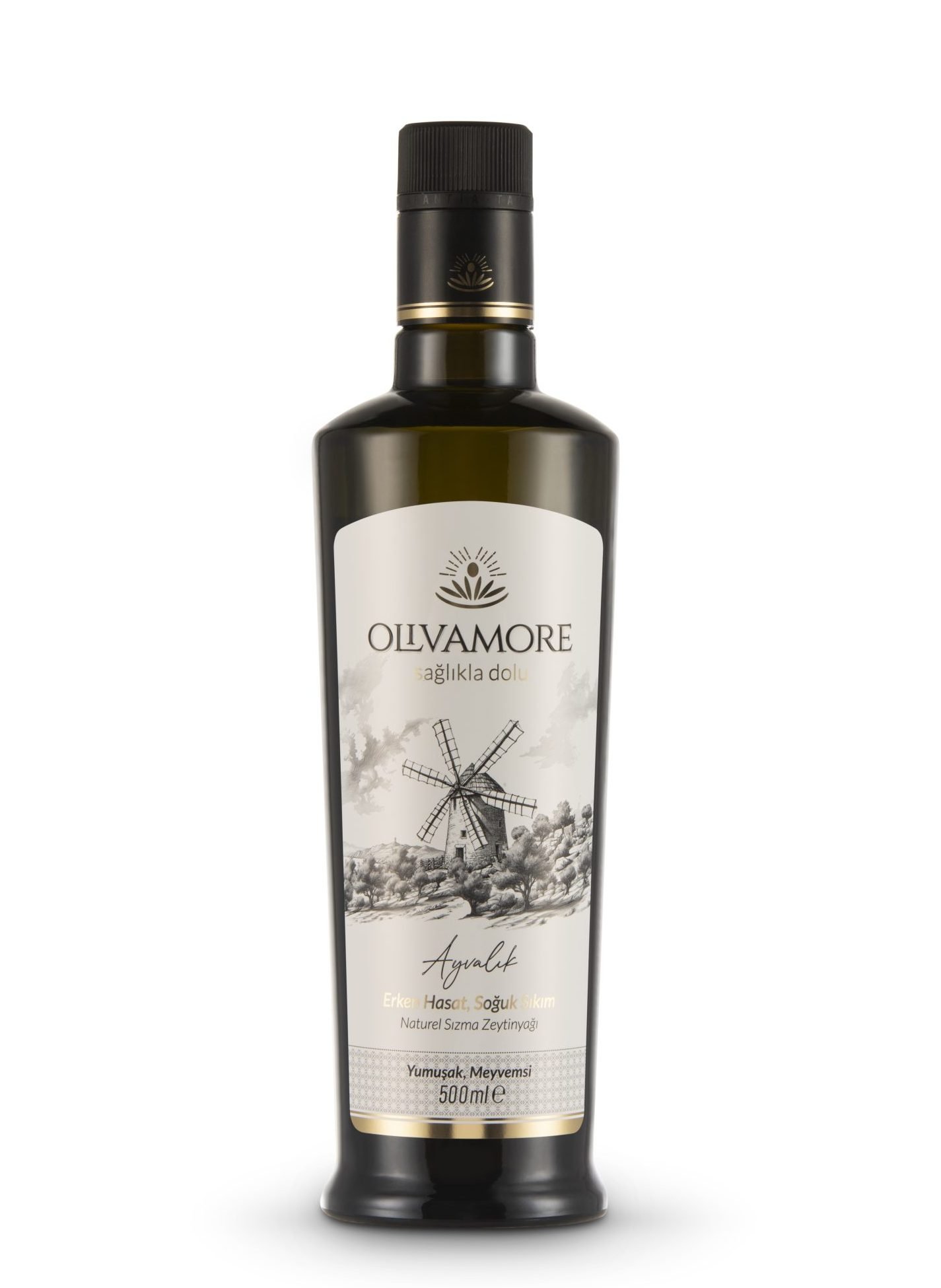
Extra virgin is the highest virgin olive-oil category: it is obtained only by mechanical or physical means, meets the relevant chemical limits, has no sensory defect in official panel assessment and retains fruitiness. Low free acidity alone does not prove the grade.
The category begins with production
Virgin olive oils come from the olive fruit solely by mechanical or other physical means and receive no treatment other than washing, decantation, centrifugation and filtration. “Cold pressed” or “cold extracted” is a production claim with separate conditions; it is not a quality grade by itself.
Extra virgin is more than an acidity figure
Under the current IOC standard, extra virgin olive oil may contain no more than 0.8 g of free acidity, expressed as oleic acid, per 100 g. It must also meet other chemical limits, including peroxide and UV parameters, and show no median sensory defect while retaining detectable fruitiness. The acidity number is only one part of the classification.
Virgin, refined and blended olive oil
Virgin olive oil is also made mechanically or physically and is suitable for direct consumption, but it may show a limited sensory defect and has a higher free-acidity limit than extra virgin. Refined olive oil is made by refining virgin oil not suitable for direct consumption and commonly has a more neutral profile.
The Turkish retail category “Riviera”, broadly corresponding to the international “olive oil” blend category, combines refined olive oil with virgin olive oils suitable for direct consumption. Low acidity after refining does not make it sensorially superior to extra virgin.
Why olive-pomace oil is separate
Olive-pomace oil is obtained by processing the solid residue left after olive-oil extraction. It is legally defined as a separate category and cannot be presented simply as “olive oil”. Reading the full legal name and ingredients is more informative than relying on large front-label words.
Which one belongs on your table?
A well-preserved extra virgin oil is the natural choice when distinct olive aroma, fruitiness and finishing character are wanted. Other categories may suit a preference for a milder profile. Cooking suitability also depends on starting quality, temperature, duration, the dish and budget—not the category alone.
Practical checklist
- ●Read the full legal category on the label.
- ●Distinguish the harvest or production date from the best-before date.
- ●Prefer clean, well-sealed, light-protective packaging.
- ●Look for fruitiness in extra virgin oil; do not rely on acidity alone.
- ●Choose a container size that suits your rate of use.
“The lowest acidity always tastes best”, “cold extracted automatically means extra virgin” and “extra virgin is only for raw use” are incorrect. Legal grade requires compliance with current rules, batch analysis and, where required, authorised sensory assessment.
Sources and further reading
The article distinguishes general evidence from claims about a specific Olivamore batch.