Olive oil is a central culinary fat in Mediterranean-style eating, but the pattern cannot be reduced to one product. The whole plate, what the oil replaces, the amount used and the culture around the table all matter.
A pattern, not a single product
Mediterranean-style eating is a broad pattern centred on vegetables, fruit, pulses, whole grains and nuts, with olive oil as one of its main culinary fats. Fish and poultry are generally moderate, while red and processed meats and sweets play a smaller role. Using olive oil alone does not create the whole pattern.
From the same tree, with two different roles
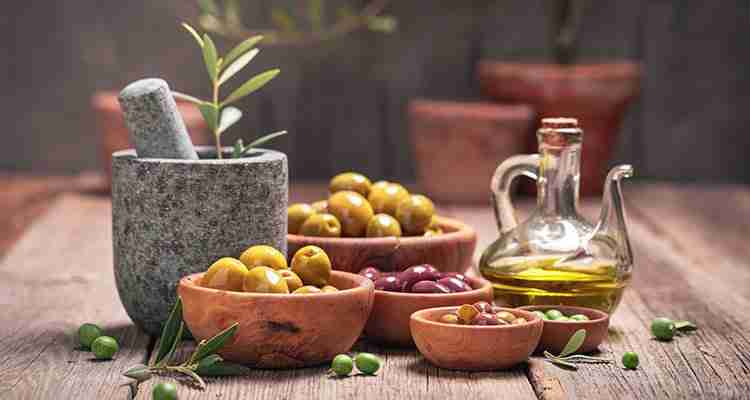
Table olives are fruits processed to make them edible, while olive oil is a concentrated culinary fat used for cooking, dressing and finishing. Olives add texture and a distinct flavour; oil helps bring together vegetables, pulses and grains. They should not be treated as nutritionally interchangeable.
What matters is not only the amount
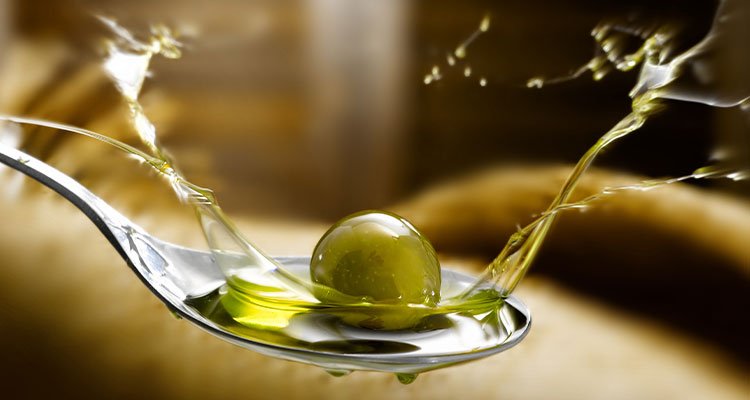
Public-health guidance favours unsaturated fats such as olive oil in place of sources richer in saturated fat. The practical idea is not to add unlimited oil, but to use a measured amount in place of another culinary fat. All fats are energy-dense.
Building an everyday Mediterranean-style plate
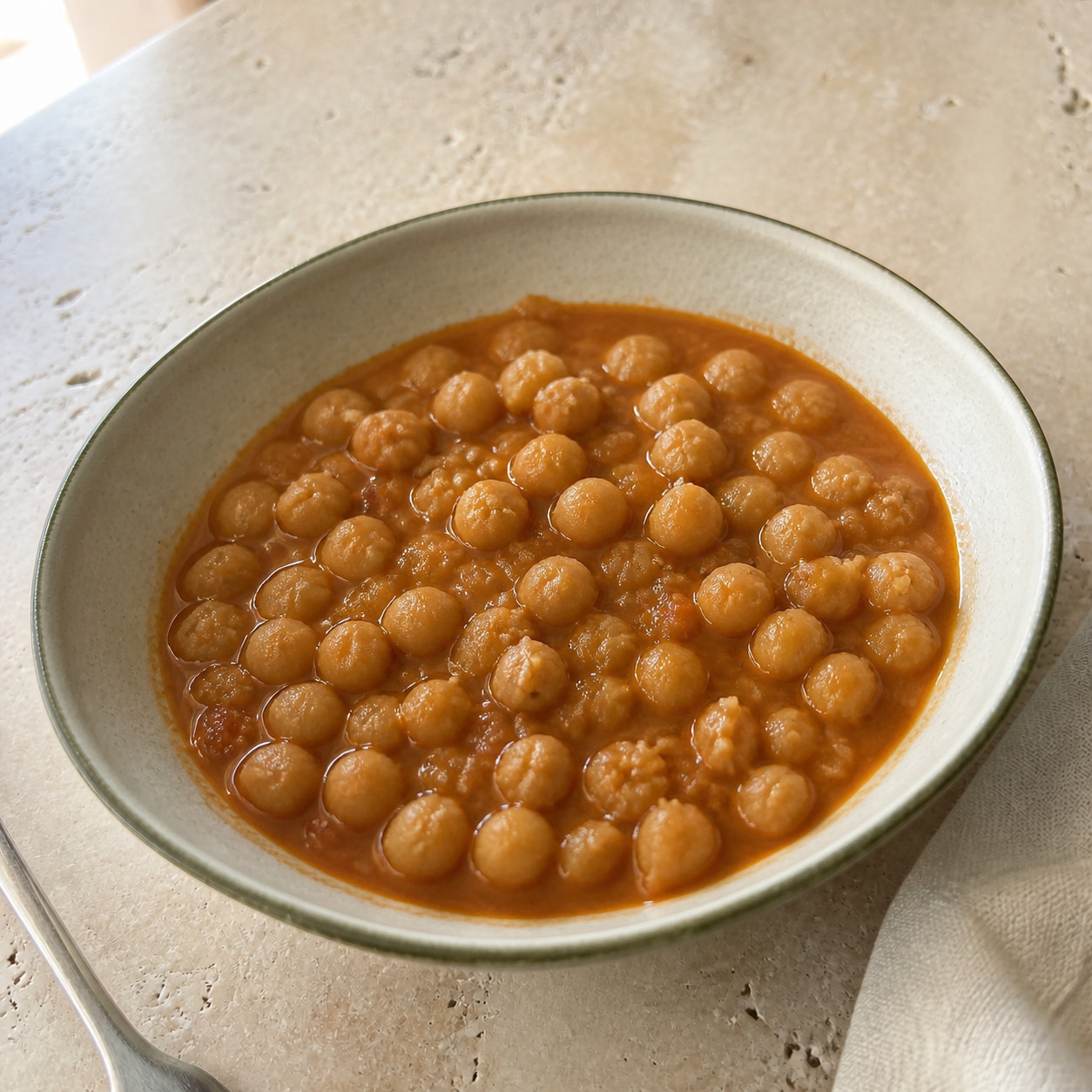
Start with vegetables, pulses and whole grains. Combine chickpeas or lentils with seasonal vegetables and use a measured amount of olive oil for cooking or finishing. At breakfast, serve tomatoes, leaves, cheese and olives as part of a varied spread. Think of oil as an ingredient that connects good foods, not the only hero.
The cultural side of the table
UNESCO describes the Mediterranean diet as more than a food list: it includes production, preparation, sharing, hospitality and knowledge passed between generations. Eating together, following the seasons and preserving local knowledge are as important to the story as the ingredients themselves.
Practical checklist
- ●Build meals around vegetables, pulses and grains.
- ●Use olive oil in measured amounts and in place of another fat.
- ●Do not treat table olives and oil as the same serving.
- ●Prioritise seasonality and plant diversity.
- ●Do not attach disease-prevention or treatment outcomes to one product.
This is general nutrition information, not individual medical or dietetic advice. A specific product cannot be said to prevent or treat disease. Studies such as PREDIMED examined a whole dietary intervention, so their findings cannot be transferred directly to one OLIVAMORE product.
Sources and further reading
The article distinguishes general evidence from claims about a specific Olivamore batch.